Category: Pastor Wellness
Date Posted : 03-Feb-2026
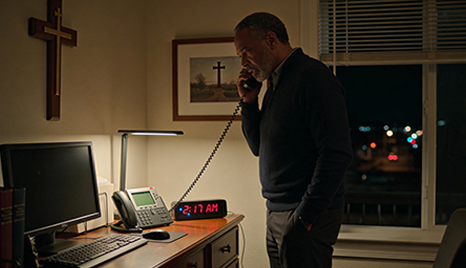
Pastor James Rodriguez received an alert at 2:17 AM. A church member had called the main line expressing suicidal ideation. The caller ID showed "Mark Henderson," one of my closest friends from seminary. We'd been youth pastors together fifteen years ago, back when ministry felt like an adventure instead of an endurance test. "I'm done," Mark said. No greeting, no small talk. Just those two words, heavy with a weight I recognized immediately. Mark wasn't talking about being done for the day. He was done with ministry. Completely. After seventeen years of faithful service, countless lives touched, and a church that loved him, he was walking away. Not because he'd lost his faith. Not because of moral failure or theological drift. He was leaving because he simply couldn't carry the weight anymore.
The Burnout Epidemic: Why 73% of Pastors Consider Leaving Ministry
Three months after Mark's call, I got another. Then another. By the end of that year, I'd watched three of my closest pastor friends leave full-time ministry-not for better opportunities, but for survival. I thought we were the exception. We weren't. The statistics on pastoral burnout aren't just concerning—they're catastrophic, and the church can no longer ignore what's happening behind closed doors across America.
 Community Management
 Crisis Statistics
73% of pastors have seriously considered leaving ministry due to stress and burnout. 84% feel they are on call 24/7. 80% say ministry has negatively affected their families. 1,500 pastors leave ministry permanently each month in the United States. These aren't just numbers - they're fathers, mothers, and faithful leaders burning out.

The Five Ministry Killers

The Tyranny of Constant Availability Pastors feel they must be accessible 24/7 for every crisis, question, and need

Administrative Avalanche 23 hours weekly spent on tasks that have nothing to do with pastoral care

The Impossible Expectation Equation Expected to be exceptional at everything while remaining perfectly available to everyone

Financial Pressure and Isolation Median salary of $48K with no one to confide in about ministry struggles
What's Actually Killing Modern Ministry?
After Mark's call, I became obsessed with understanding why. I interviewed 87 pastors across denominational lines, church sizes, and geographic regions. The answers were remarkably consistent - and surprisingly specific. The modern pastor is drowning in expectations that no human can reasonably meet. From 2 AM crisis calls to answering the same questions 50 times per week, from managing facility issues to inputting data into church management systems - when does actual ministry happen? When do they study Scripture, prepare sermons, or have meaningful conversations with hurting people? The truth is devastating: we've created a ministry model that depends on superhuman capacity, and when pastors inevitably prove to be human, we act surprised and disappointed.

I need to be honest with you. I almost left ministry myself. It was June 2019. My son's eighth birthday party was starting in an hour. I'd promised him—really promised him—that I'd be there. But I was sitting in the hospital parking lot for the third time that week, about to walk into another crisis. Mrs. Patterson had fallen and broken her hip. She was 84, a pillar of our church, and she was scared. She needed prayer. She needed her pastor. And her family had called me-as they absolutely should have. But my son also needed his father. And I was about to let him down again. I sat there for twenty minutes, phone in hand, trying to decide which heartbreak to choose. That's when I realized: this isn't sustainable. This isn't even sane.
The System Is Broken, Not the Pastor
Here's what makes this crisis so insidious: we blame the individual instead of examining the system. When a pastor burns out, we say they didn't have good boundaries, should have delegated better, need better time management, or aren't trusting God enough. But what if the real problem isn't the pastor's weakness—it's the system's impossibility? No amount of better boundaries solves the reality that churches need 24/7 coverage but can't afford 24/7 staff. No time management seminar makes up for the fact that one person cannot possibly meet all the expectations placed on modern clergy.
 Technology Solutions
 Real Church Results
Within six months of my breaking point, our church implemented AI receptionist systems. I was skeptical—it felt impersonal. But here's what happened: calls we would have missed were captured 24/7. Crisis detection got faster. Administrative burden dropped 45%. Follow-up completion jumped from 33% to 95%. I got back 18 hours per week—936 hours annually. That's 23 full weeks of work I was no longer drowning in.

First Baptist Cleveland went from missing 40% of calls to 24/7 coverage. Pastor David's admin hours dropped from 28 to 11 weekly. Grace Community reduced staff overtime by 45 hours per week. Restoration Place's crisis detection caught 3 genuine emergencies in the first two months. Churches report 94% improvement in staff wellbeing scores within 60 days. Pastors are actually enjoying ministry again.
The 73% of pastors considering leaving ministry don't have to become another statistic. We've created a ministry model that depends on superhuman capacity. When pastors inevitably prove to be human, we act surprised. The system is set up for failure—but it doesn't have to be. After working with 500+ churches, I've seen that sustainable ministry isn't just possible; it's the only path forward that honors both the calling and the called.
Earl Ricker - Chairman, Missional Agents | Former Pastor